
Energy & industrial safety
A person confirms every safety alert, around the clock.
Live review of leak, fire and smoke alerts from vision systems at oil and gas sites, refineries and plants, so real incidents are acted on and false alarms are not.
From the camera feed to the control room
Every part of the workflow where we can take work off your team.
Detection
Alert review
Asset condition
Workforce safety
We work with CCTV, thermal, alerts and sensor data.
What we label
Every class is written into a guide with your team before the first batch. Files come back as COCO JSON, YOLO, Pascal VOC, CSV, JSONL or your own schema.
Optical and thermal video
Hazard events
Bounding box and time span
Gas plume, flare, smoke, flame, spill
Thermal anomalies
Bounding box and class
Hotspot, abnormal heat, cold leak
People and PPE
Bounding box and keypoints
Helmet, vest, harness, person in zone
Asset imagery
Surface condition
Polygon and severity
Corrosion, crack, oil stain, insulation damage
Equipment
Bounding box
Valve, flange, transformer, meter
Alerts
Alert outcomes
Class and reason
Real incident, false alarm, needs operator
How we test the model
The tests that matter for energy & industrial safety models, and what you get back from each.
False alarm rate
Every reviewed alert recorded as confirmed or dismissed, with the reason.
You get backFalse alarms by camera, site and hour
Missed event review
Footage sampled for incidents the model did not raise.
You get backMiss rate, clips returned for training
Alert threshold check
Alerts reviewed at several confidence levels to find where the model should hand over to a person.
You get backFalse alarms and misses at each threshold
Where energy & industrial safety teams start
Problems teams bring us, and the first piece of work we would scope.
Operators stop trusting alerts after the tenth false alarm of the night.
What we doA reviewer confirms or dismisses each alert first, so only real incidents reach the control room.Live reviewReal leaks are rare, so the model has few examples to learn from.
What we doConfirmed and rejected alerts come back to you as labelled training data.AnnotateYou do not know how often the model misses something.
What we doSampled footage reviewed for missed events, reported by site and camera.Evaluate & alignRelated work
Defect annotation on building imagery in CVAT, with a webhook loop between annotators and reviewers.
50,000 facade annotations a week for building condition assessments
Part identification and damage segmentation for insurance claims AI.
200,000 polygons for automated vehicle damage assessment
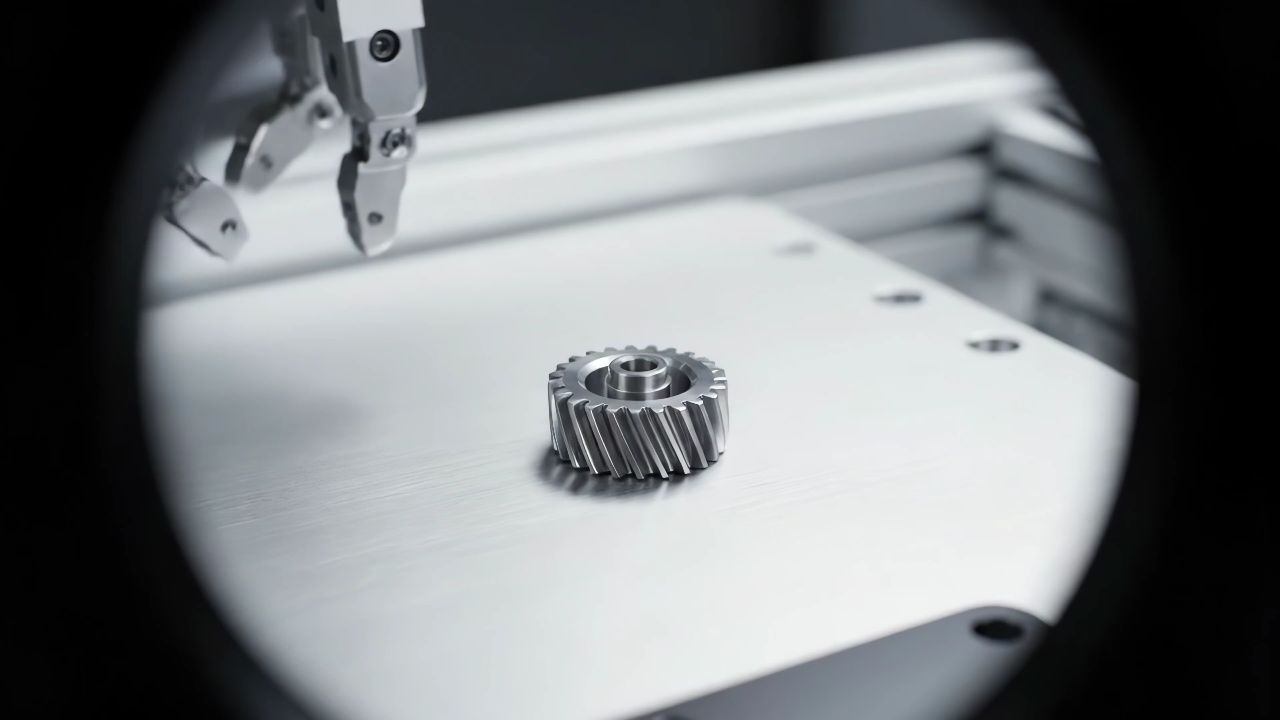
2,000 robot videos described every week by a team built in seven days
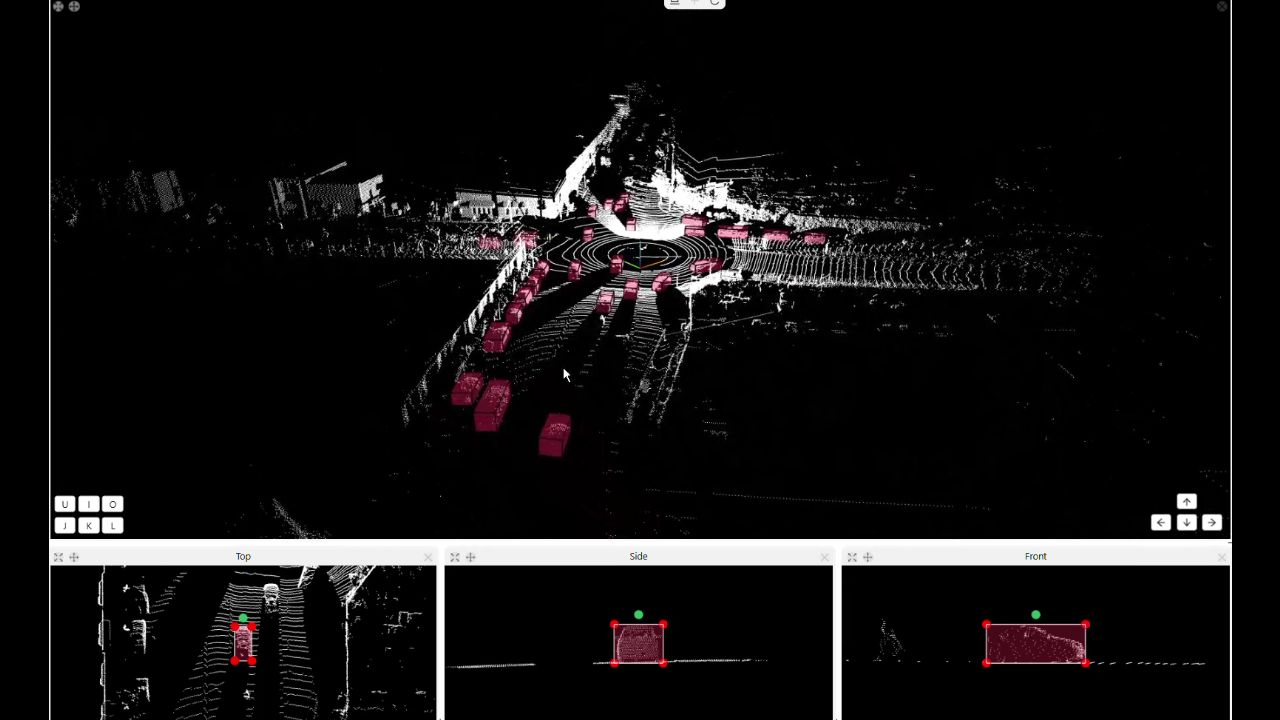
Half a million images for autonomous navigation, with every file kept on EU servers
Client and volumes [REAL DATA: Client, duration and alert volumes]
Bring us the energy & industrial safety data your model gets wrong.
Send a small batch and get it back done, free, usually within 24 to 48 hours. You judge the work before you pay for anything.