
Vision & Physical AI
Training data and live review for models that see and move.
Robots, vehicles, vessels and inspection models trained on images, video and point clouds a person has checked, then watched in production.
What we label
Every annotation type we deliver, drawn on the kind of data it belongs to. Each class goes into a guide written with your team before the first batch.
Sample frame. Point at an annotation type to see it on the frame.
Still frames from cameras, phones, drones and scanners.
Bounding boxes
Objects boxed tight to the edge, with occlusion and truncation flags.
Polygons and masks
Instance and semantic segmentation with pixel accurate edges.
Keypoints and pose
Skeletons for arms, people and hands, and grasp points on objects.
Polylines
Edges, rails, cables, cracks and boundaries.
Classes and attributes
Frame level tags such as scene, lighting, clutter and quality.
Captions
Plain language descriptions for vision language models.
Delivered asCOCO JSON, YOLO, Pascal VOC, PNG masks or your own schema
Sample frame. Point at an annotation type to see it on the frame.
Footage from fixed cameras, vehicles, robots and broadcast.
Object tracking
Stable IDs across frames, held through occlusion and re entry.
Events and actions
Start and end times for actions, events and deviations.
Keyframes
Keyframes labelled by hand, the frames between filled in and checked.
Scene and clip labels
Clip level tags such as location, activity, weather and quality.
Delivered asMOT, CVAT XML, COCO video or your own schema
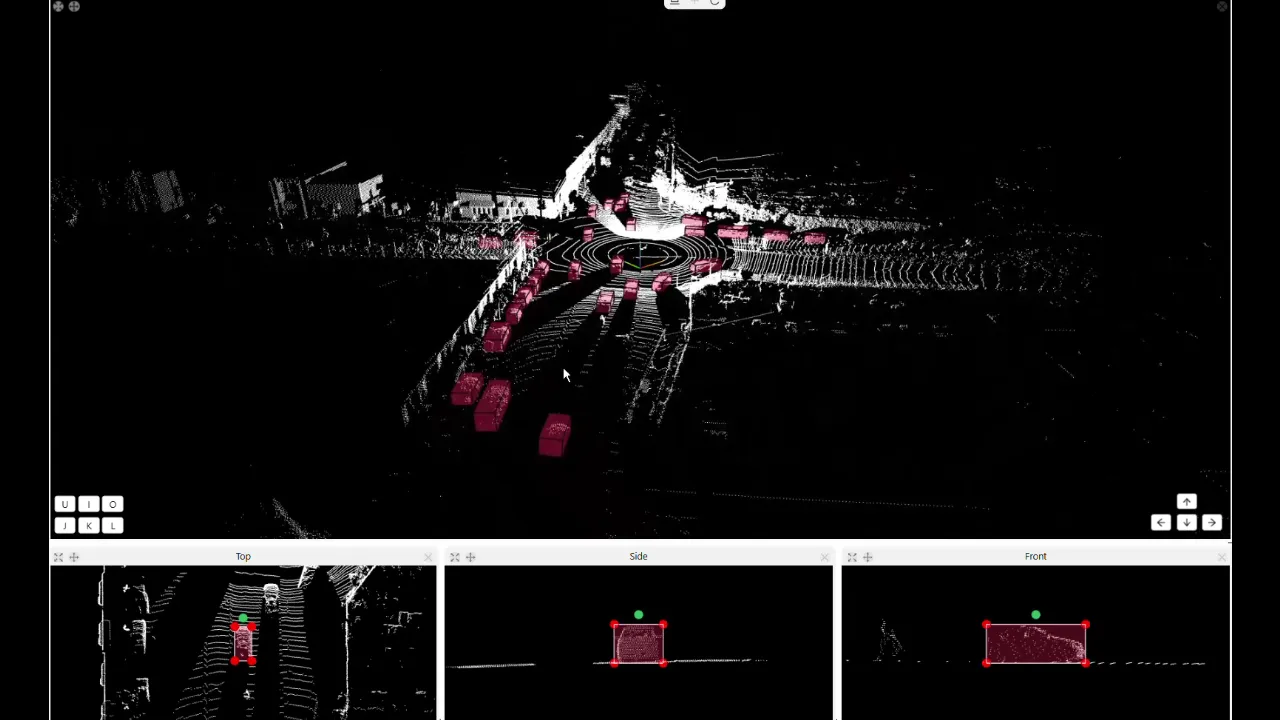
Sample frame. Point at an annotation type to see it on the frame.
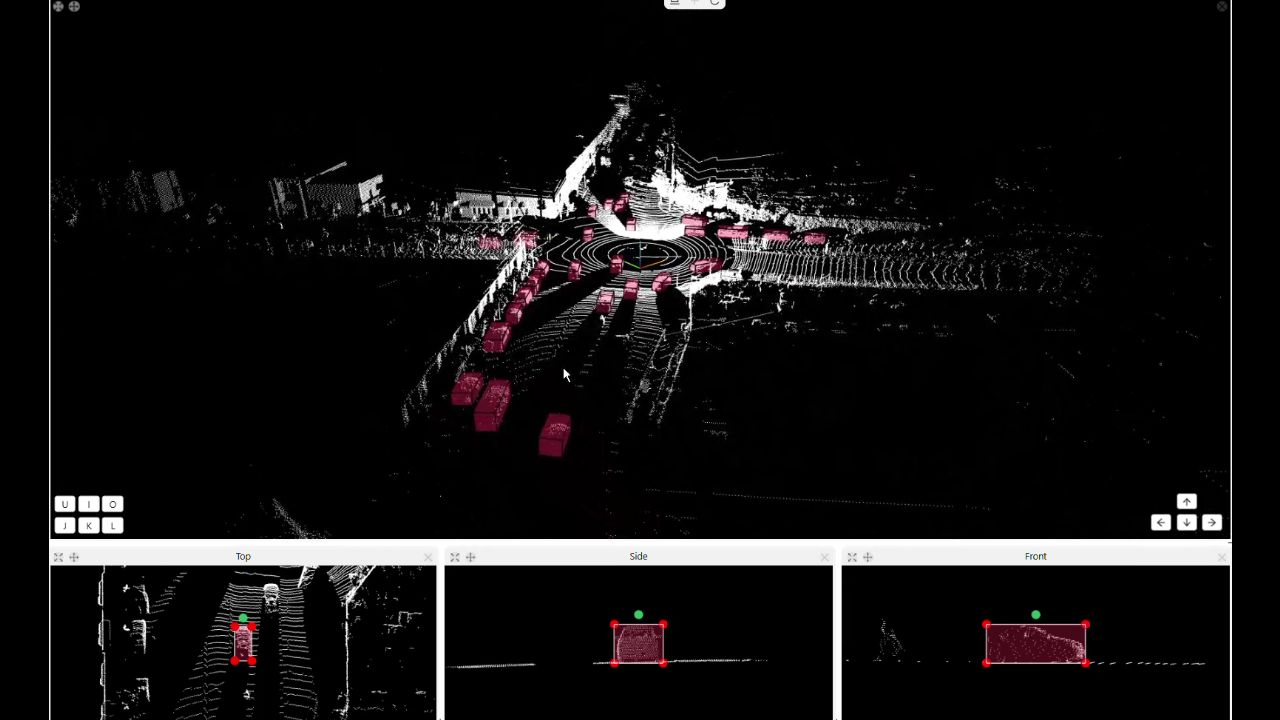
Sweeps from vehicles, drones, mobile mappers and fixed scanners.
3D cuboids
Position, size and heading for vehicles, people and objects.
Point segmentation
A class for every point: road, building, vegetation and more.
Camera and LiDAR fusion
Each cuboid linked to its box in every camera that sees it.
Tracking across sweeps
The same object kept under one ID from sweep to sweep.
Delivered asKITTI, PCD, LAS or your own schema
Sample frame. Point at an annotation type to see it on the frame.
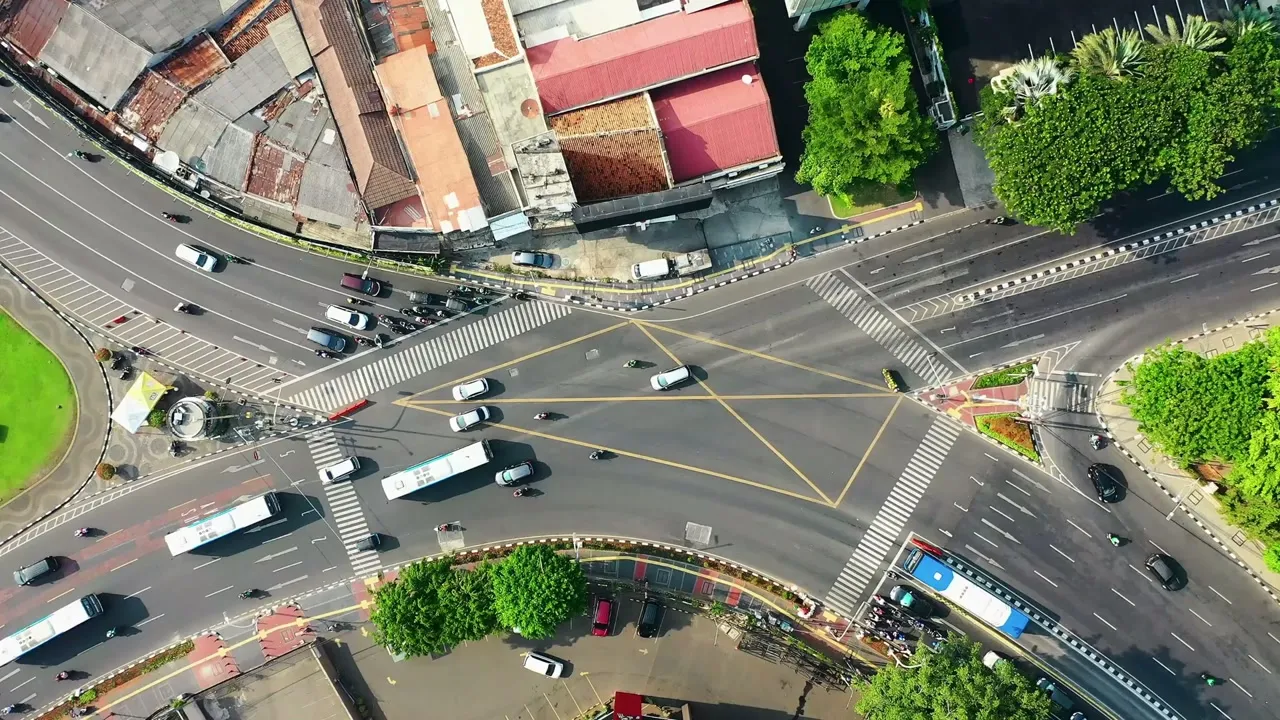
Drone, aerial and satellite imagery, including thermal and multispectral bands.
Small object detection
Vehicles, people and assets boxed from above, down to a few pixels.
Rotated boxes
Boxes turned to the object, for buses, ships and buildings seen from above.
Land and road segmentation
Road, water, buildings, crops and vegetation marked as regions.
Thermal and multispectral bands
Hotspots, leaks and crop stress labelled on infrared and multi band frames.
Delivered asGeoTIFF, COCO JSON, DOTA, masks or your own schema
Sample frame. Point at an annotation type to see it on the frame.
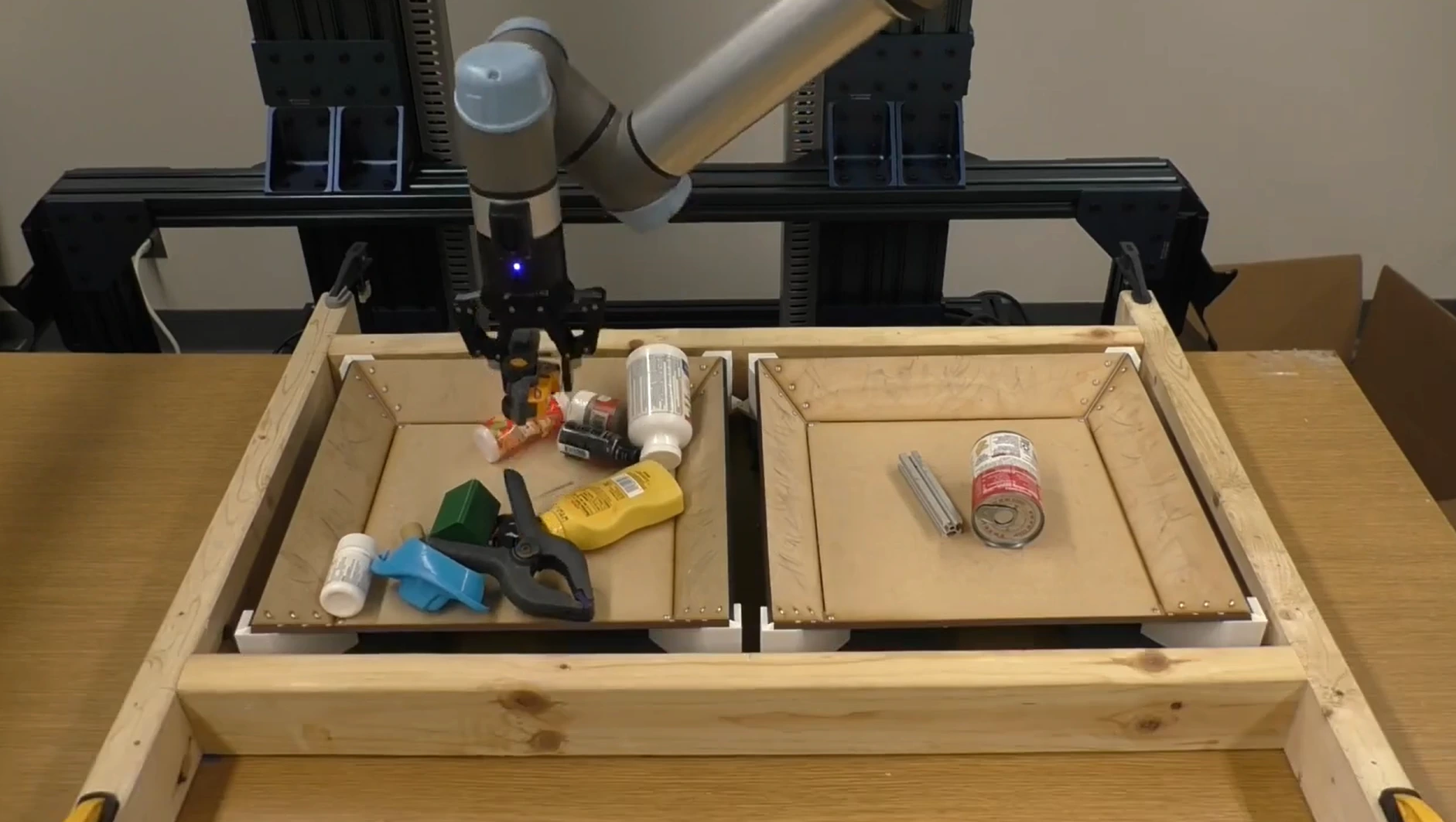
Multi camera episodes from robot arms, mobile robots and teleoperation.
Action episodes
Each task cut into steps such as reach, grasp and place.
Grasp points
Where and how the gripper should hold each object.
Task descriptions
What the robot did, in plain language, for each episode.
Success and failure
Whether each attempt worked, and why it did not.
Delivered asJSONL episodes, video with sidecar files, or your own schema
What we do for vision teams, from the first file to the live model
Collect
Data collection
Robot episodes, site photos and drive footage collected to a brief.
Annotate
Detection and segmentation
Boxes, polygons and masks, from a few classes to long tail taxonomies.
Video and tracking
Tracks with stable IDs, events and actions, frame by frame.
Point clouds and fusion
Cuboids and segmentation aligned across camera and LiDAR.
Robot learning data
Episodes, grasp points and task descriptions.
Test
Model testing
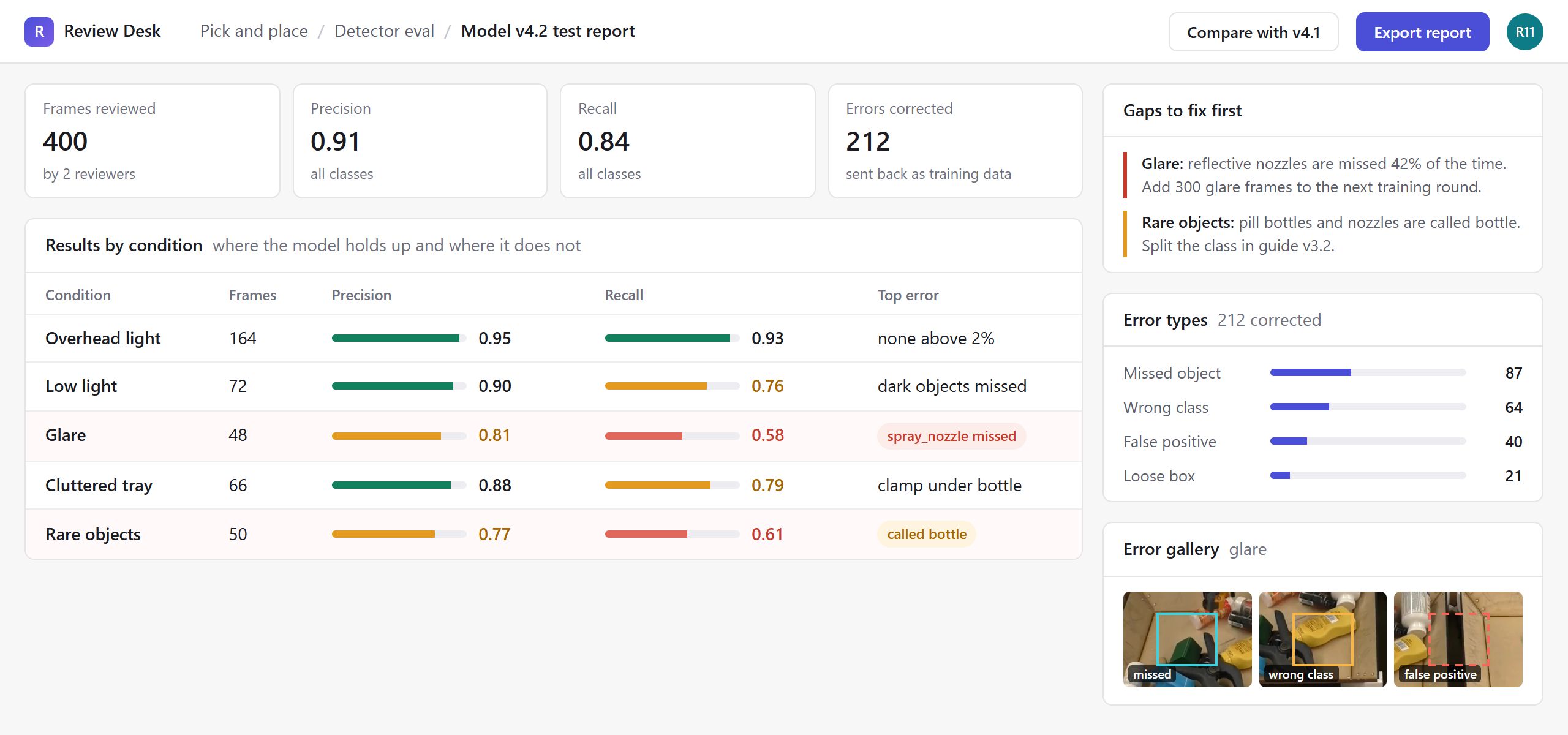
Predictions checked against the source, errors typed, results split by condition.
Review live
Live review
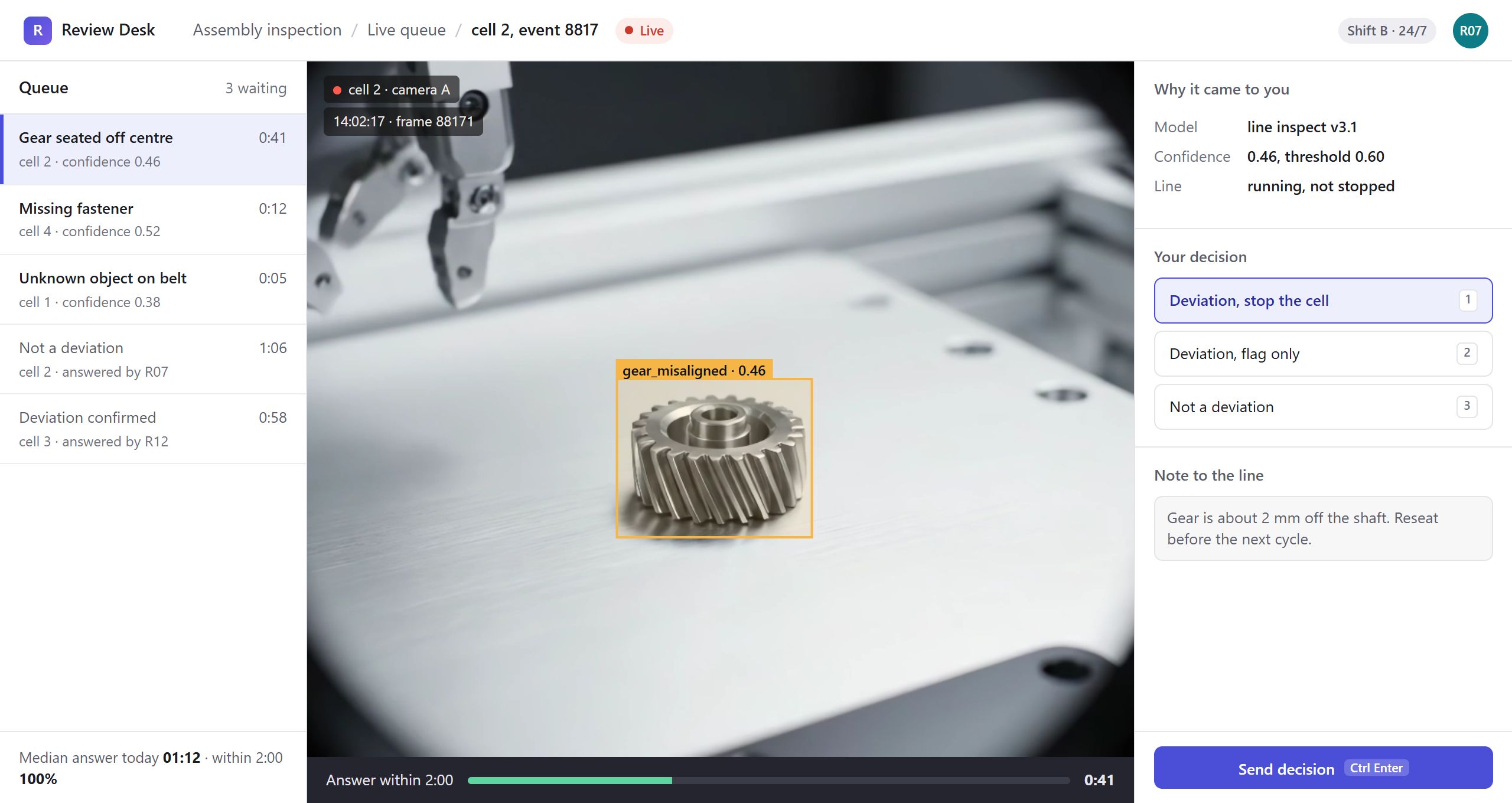
Low confidence detections confirmed or corrected by a person in under 2 minutes.
Every correction from testing and live review goes back into the next round of training.
How we test vision models
People check what your model predicts, on your data, and tell you where it fails.
Prediction validation
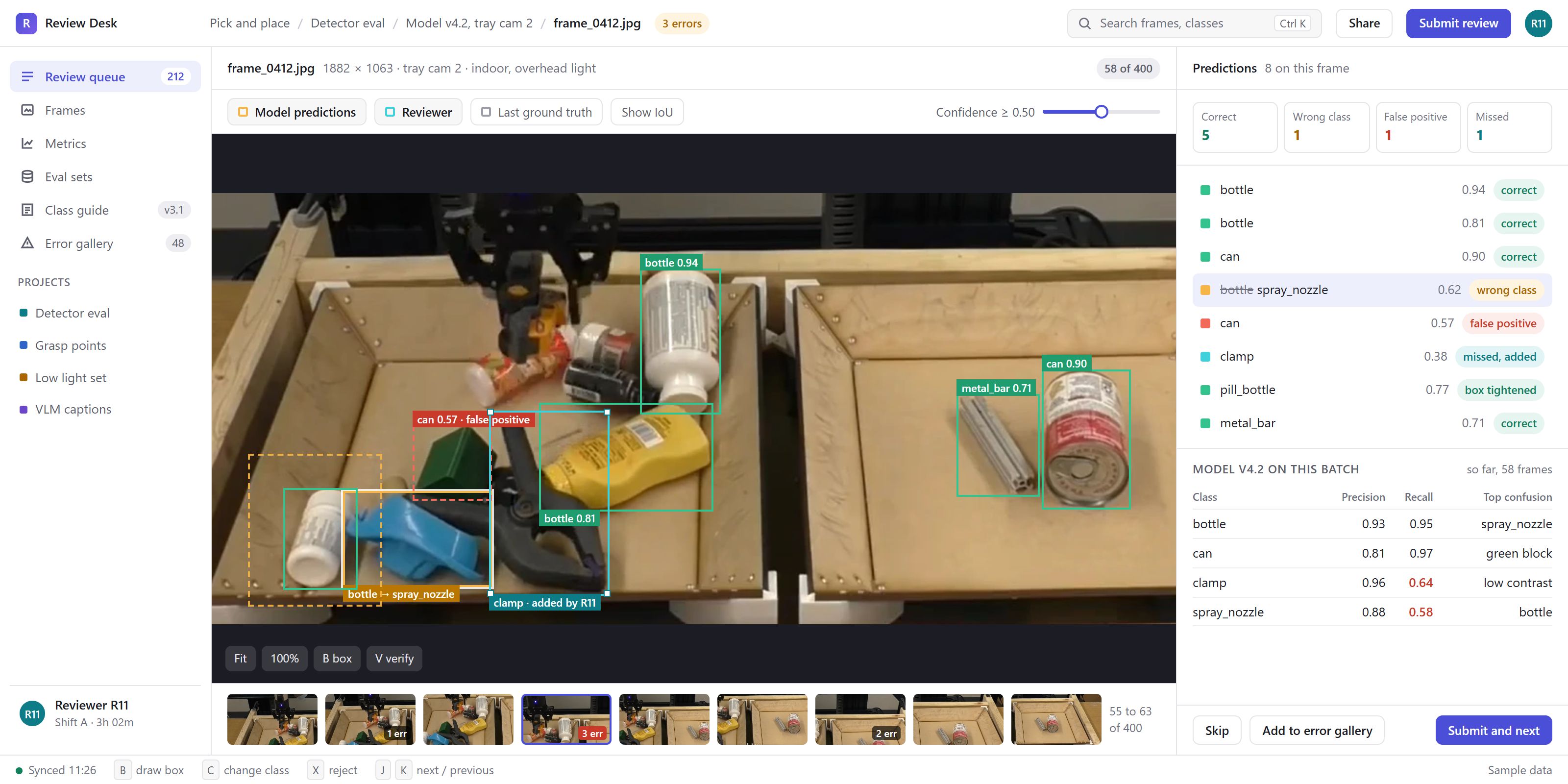
Predictions from your detector or segmenter checked against the image. Every error is typed and corrected, and the worst items go back for full relabelling.
What you getCorrected data, precision and recall by class, and an error gallery
Robustness by condition
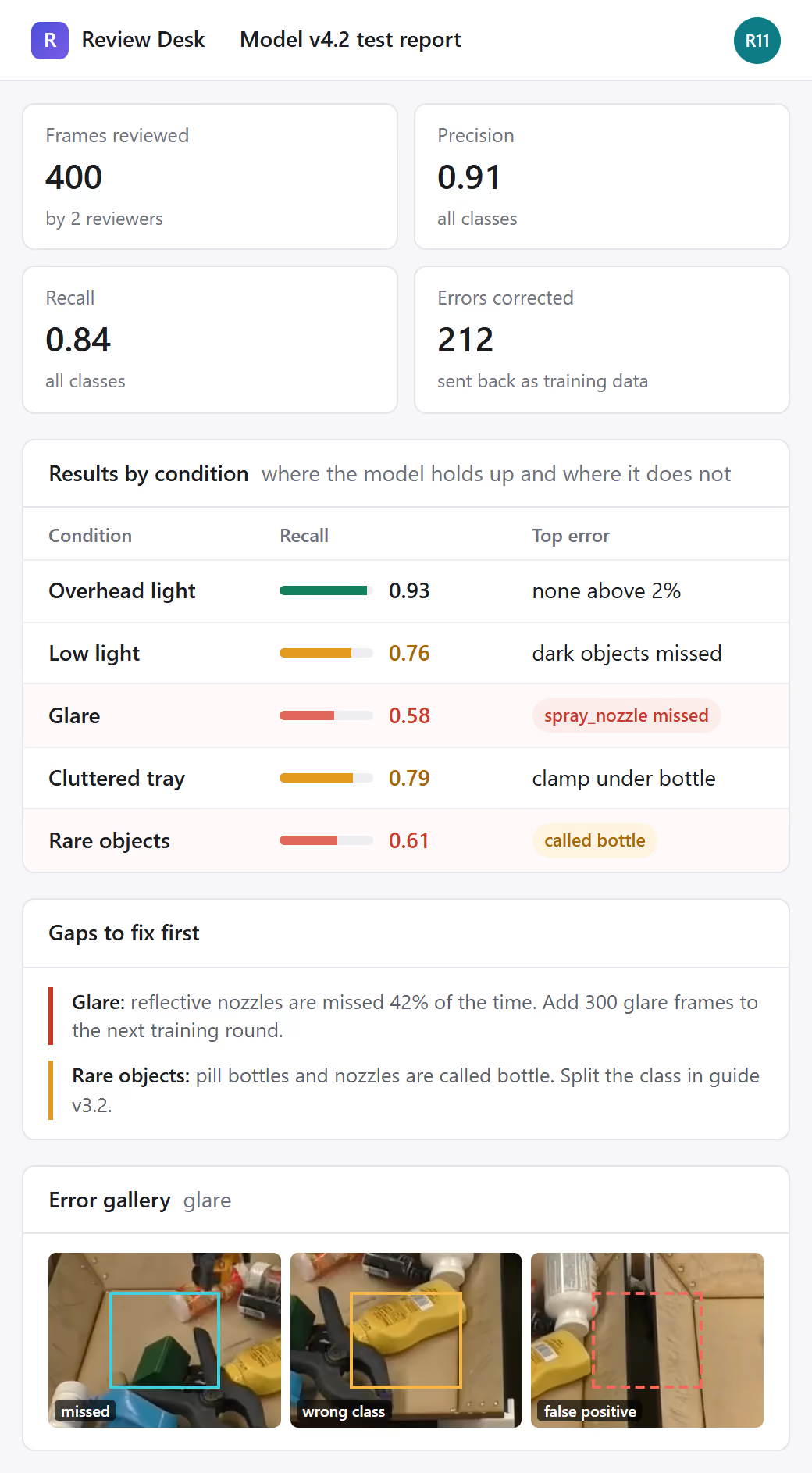
Hard conditions tested on purpose: low light, rain, glare, fog, motion blur, rare classes and unusual angles.
What you getResults split by condition, with the gaps spelled out
Evaluation sets
A held out set built from your own data, labelled to the guide and versioned, so every release is tested the same way.
What you getA versioned test set with a changelog
What the work looks like
Client E, Client D and Client H run our reviewers inside their live vision pipelines.
Every object labelled to your class guide
Boxes, masks, keypoints and tracks drawn in our workspace or yours, then checked by a second reviewer.
Annotate services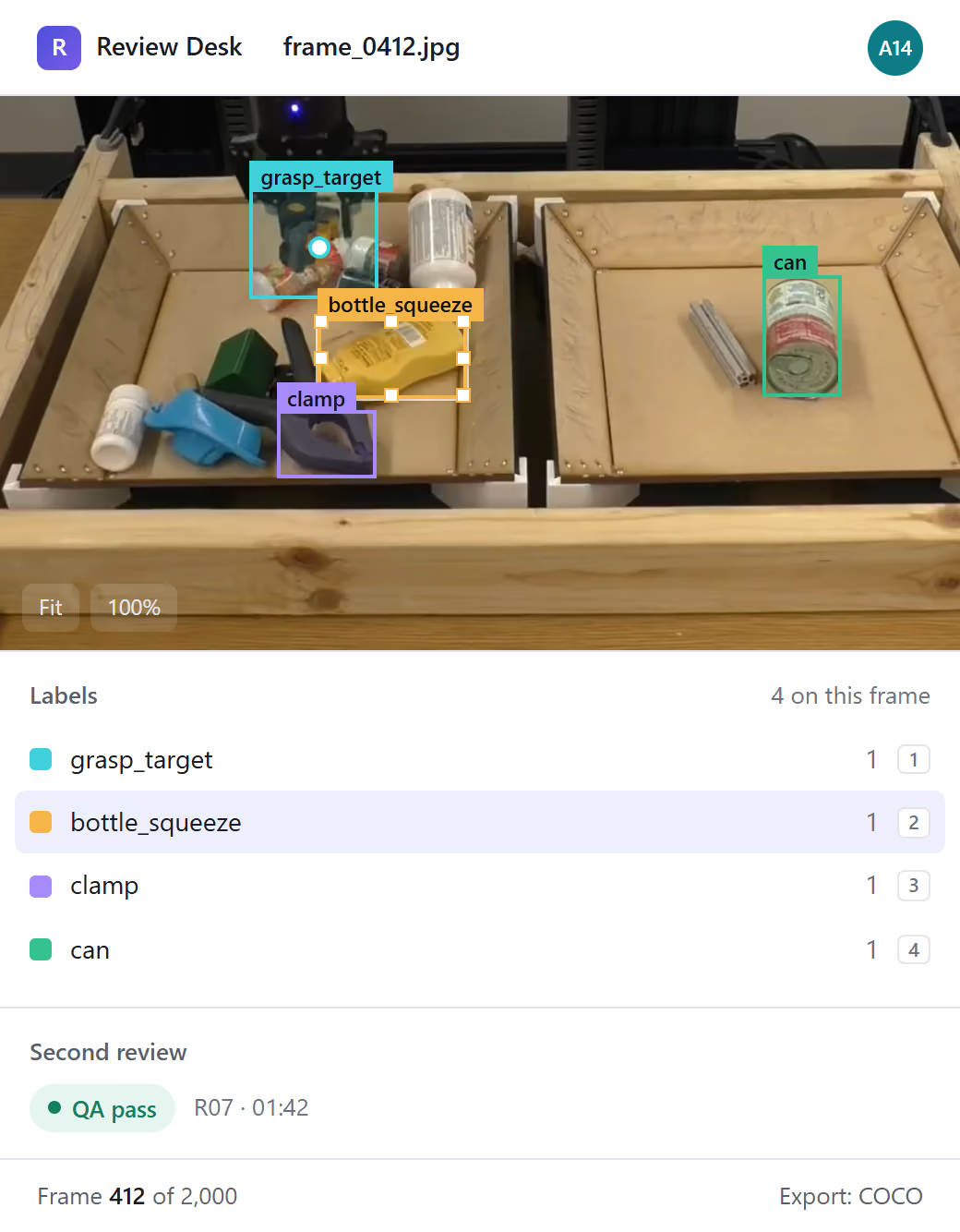
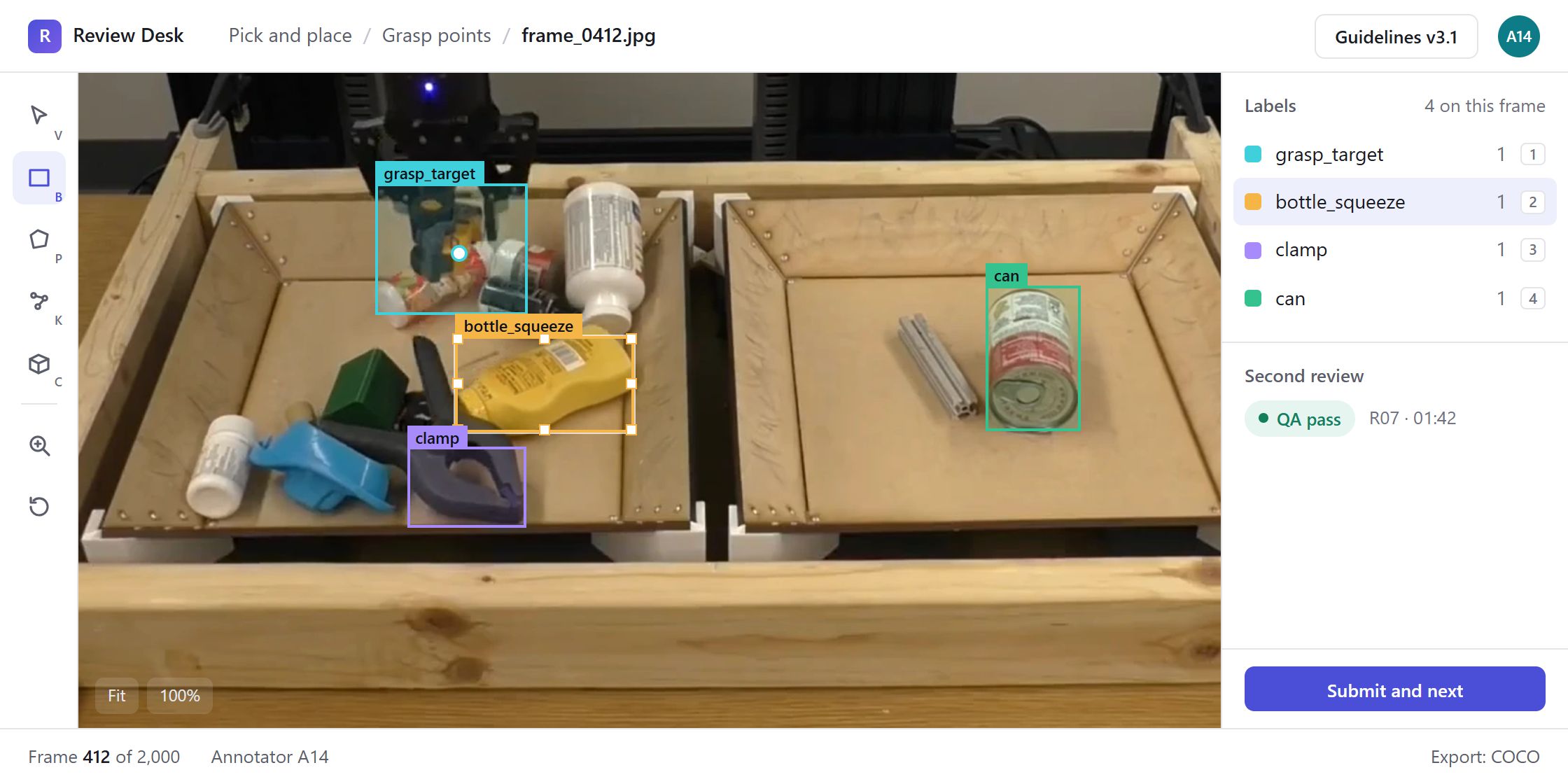
Predictions checked frame by frame, then reported by condition
Every error typed and corrected, then rolled up into a report that shows where the model fails.
Evaluate & align services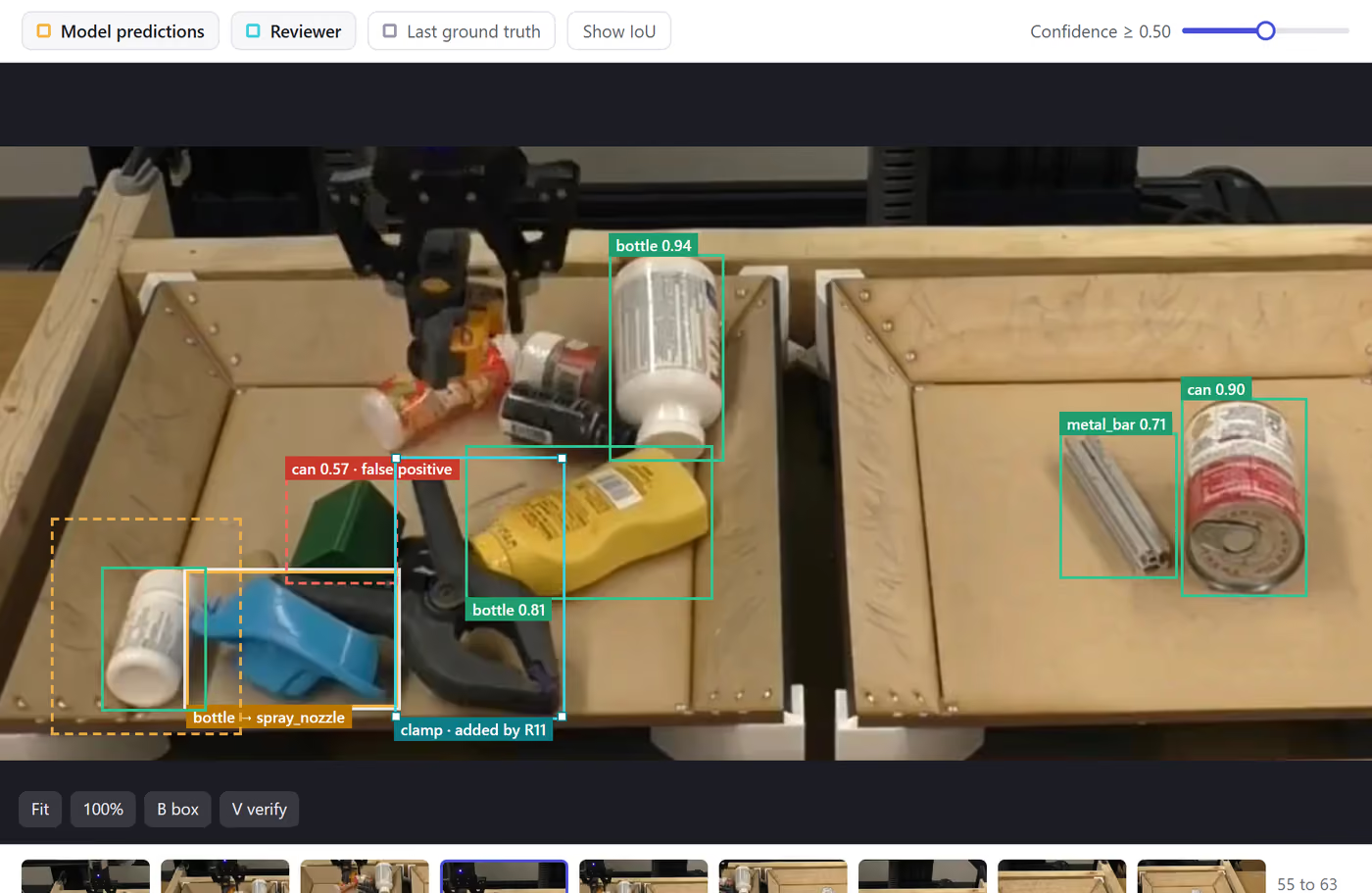
Low confidence detections answered inside 2 minutes
Detections from a running line routed to a reviewer, who confirms or corrects them before the line acts.
Live review services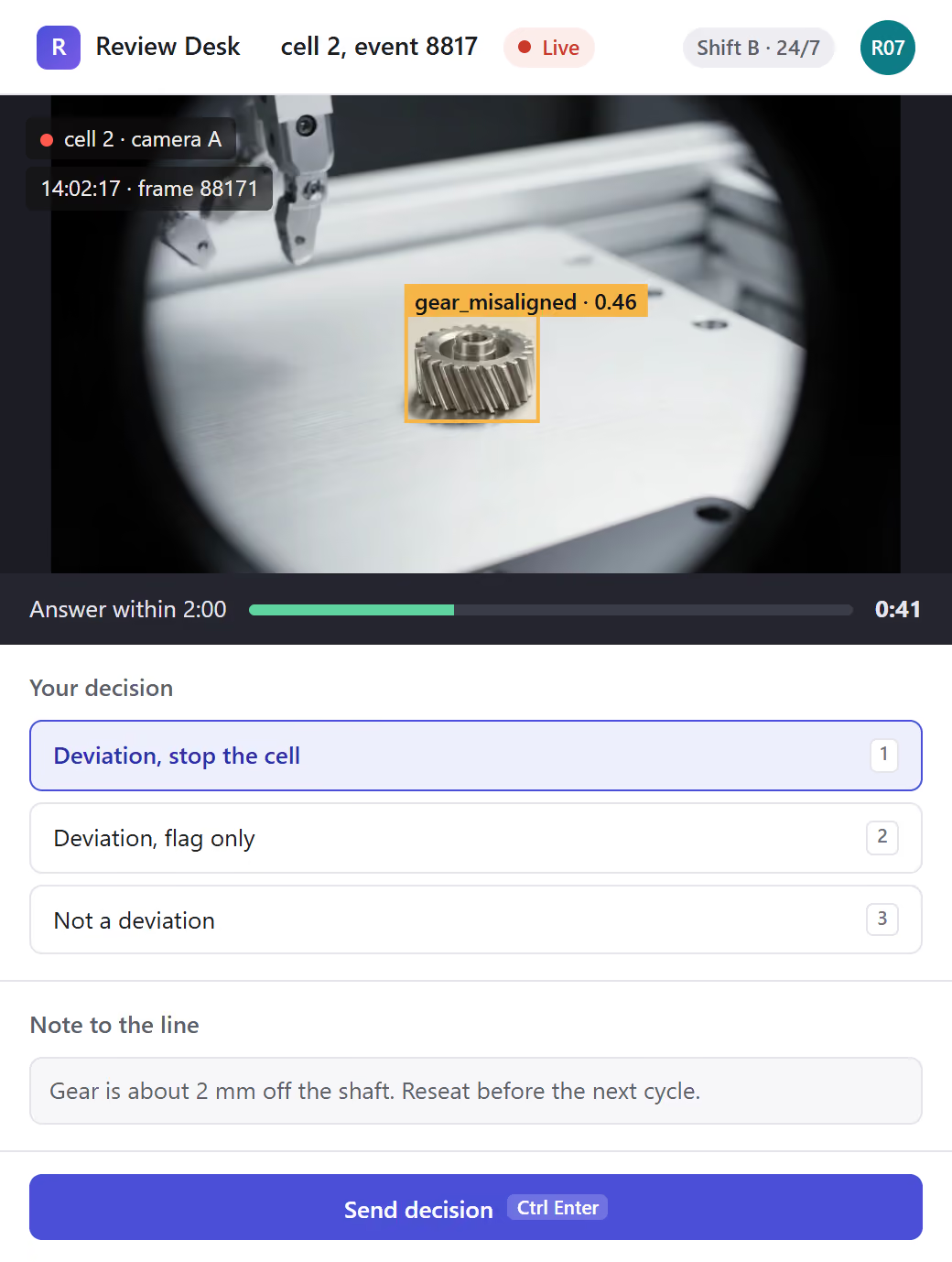
Works in
CVATLabel StudioRoboflowLabelboxEncordV7SuperAnnotateSuperviselyyour own tool
Delivers
COCO JSONYOLOPascal VOCKITTIMOTPCDmasksyour own schemato S3, GCS, Azure or SFTP
Checks
Class guide signed off before the first batchSecond reviewer on every itemWeekly agreement against a gold setSampled before delivery, every label logged
Related work
2,000 robot videos described every week by a team built in seven days
Half a million images for autonomous navigation, with every file kept on EU servers
Twelve times the volume in five weeks, with quality holding at 95 to 98%
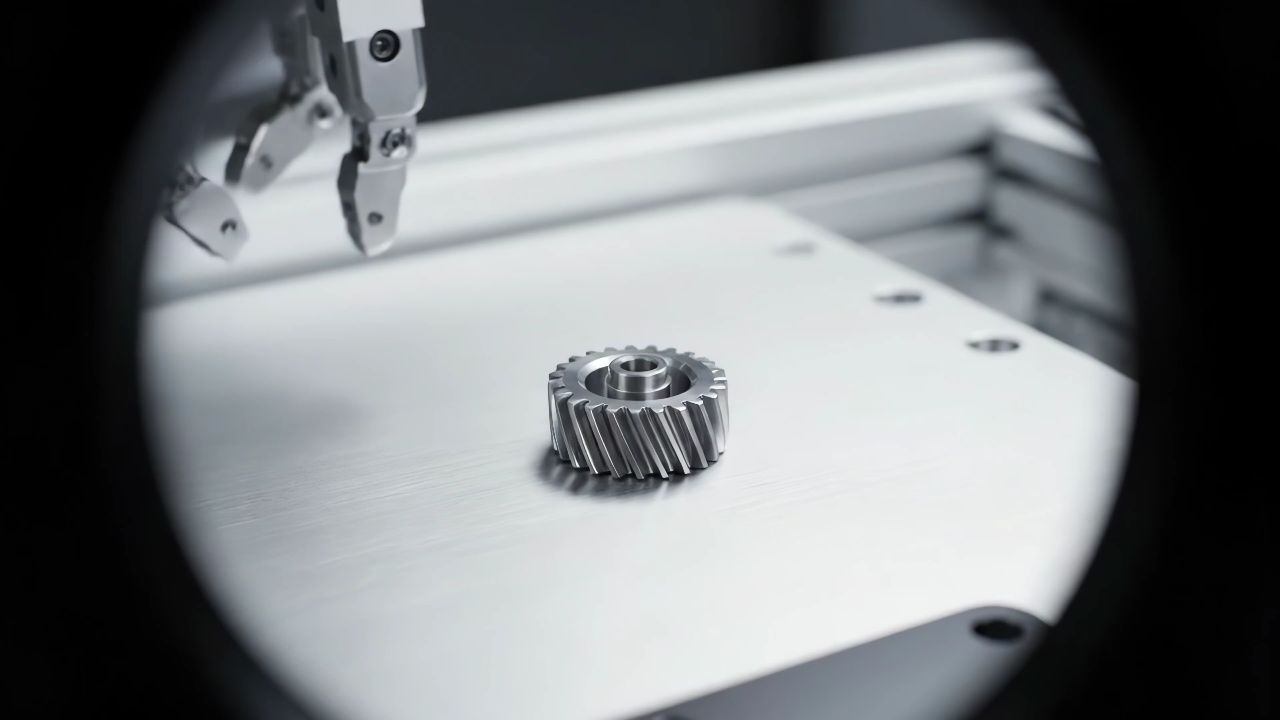
Human in the loop support for visual deviation detection on production lines, with a response time requirement under two minutes.
24/7 live review for production line visual AI, quality above 95% by month two
Industries we do this in
The classes, edge cases and stories for each field are on its own page.
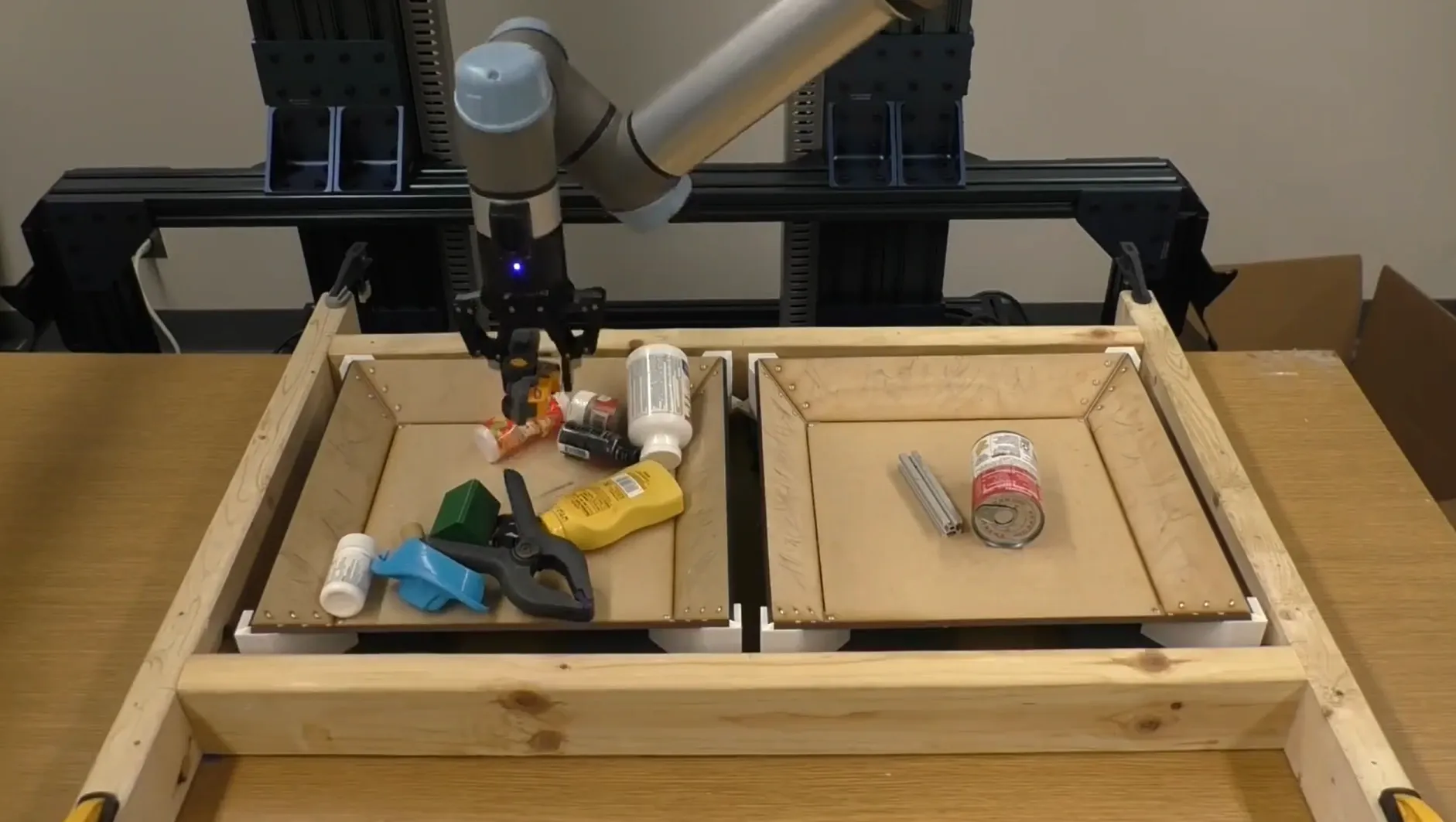
Physical AI & robotics
Grasp points, action episodes and task descriptions for robot learning.
multi camera video · images · point cloud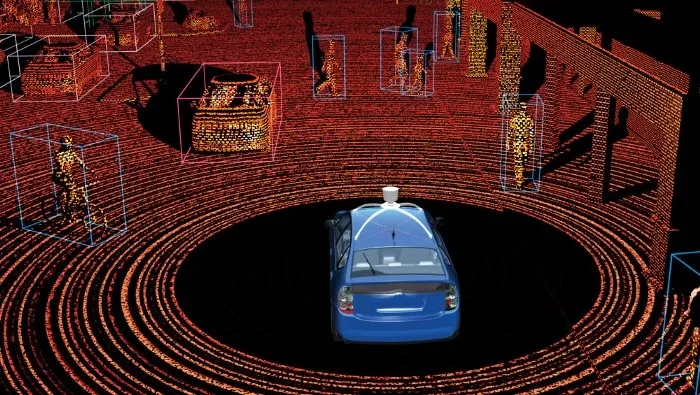
Autonomous driving & mapping
Cuboids, lanes and tracks across camera and LiDAR.
video · LiDAR · point cloud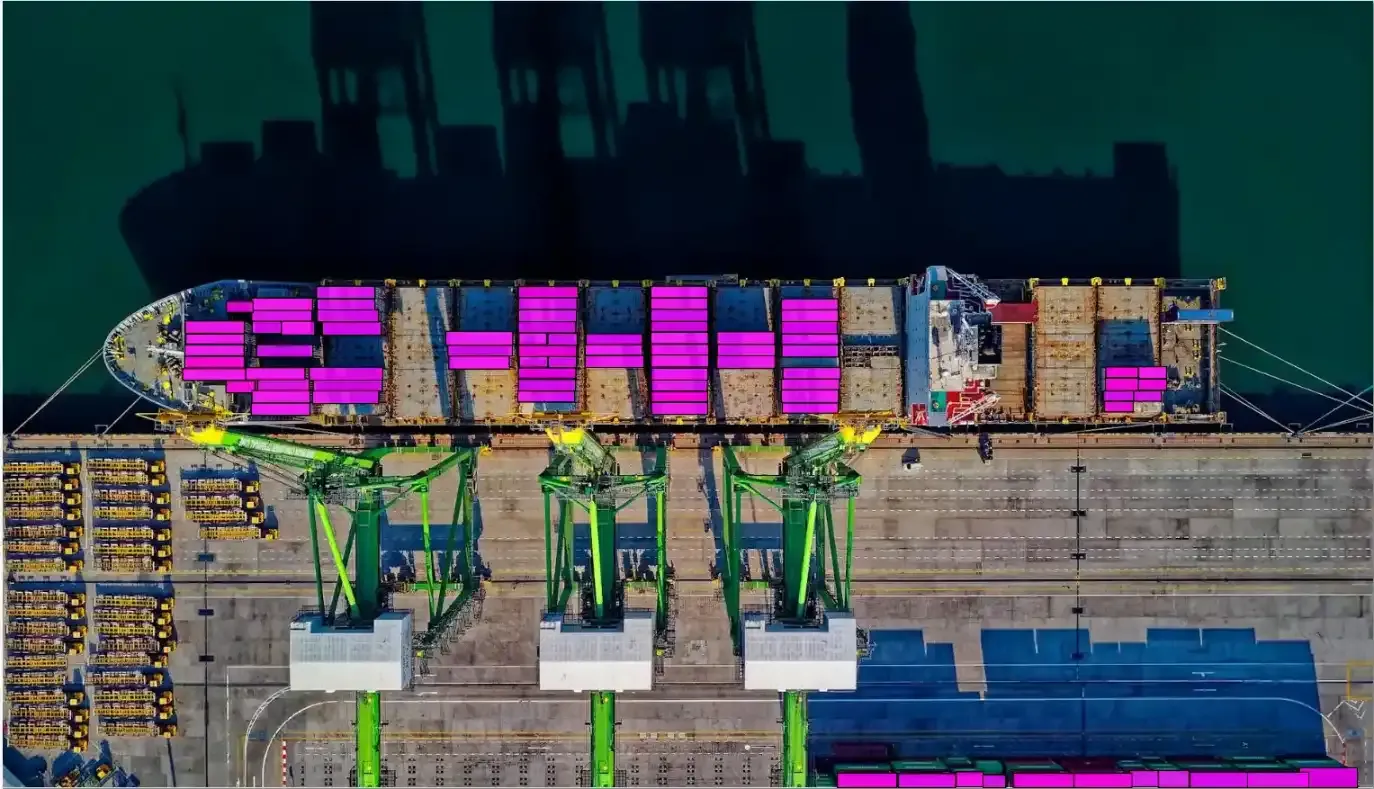
Maritime
Vessels, buoys and debris on optical and thermal, in fog and glare.
optical · thermal · drone
Inspection & damage
Defects found and graded on vehicles, buildings and power lines.
photos · drone imagery · thermal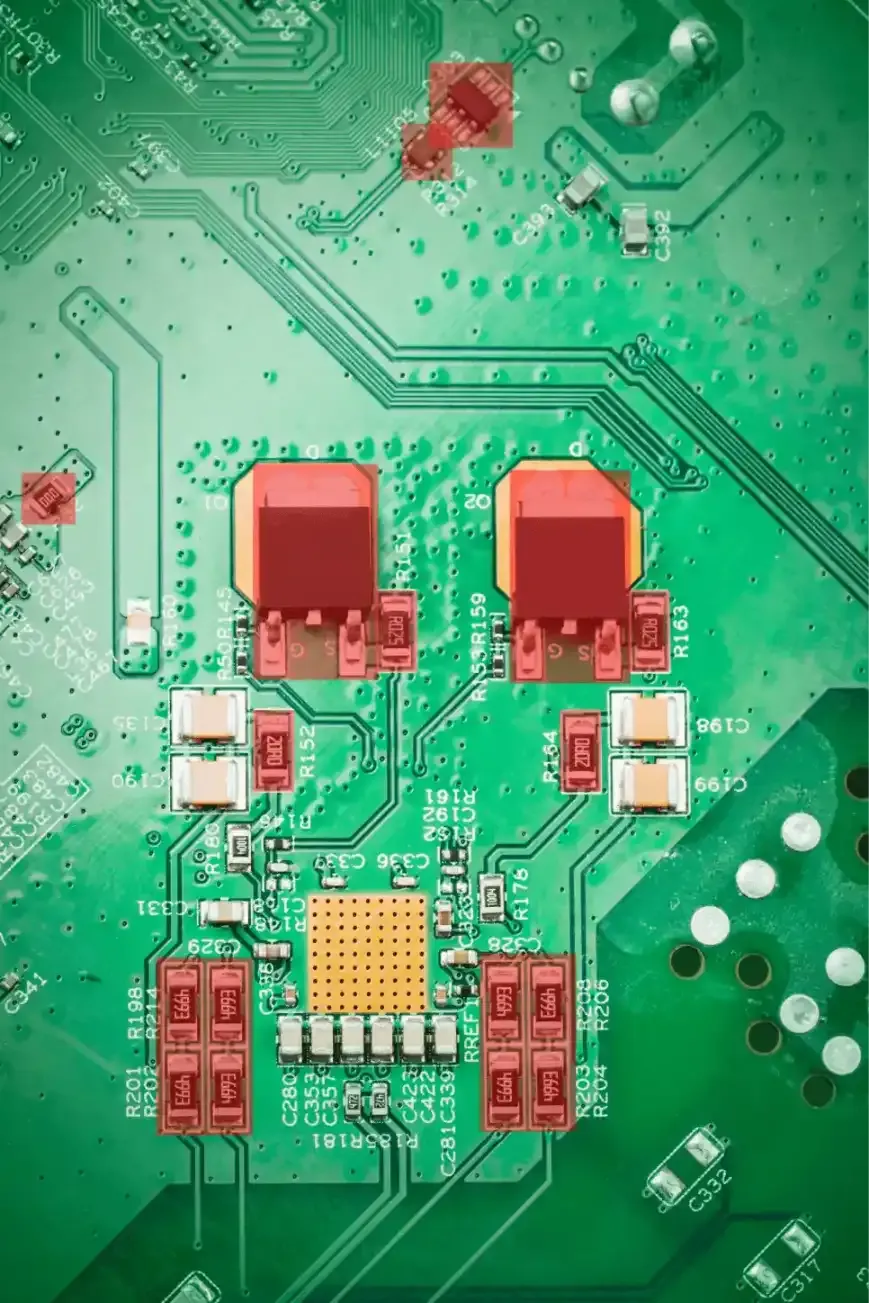
Manufacturing & automotive
Line defects and deviations, with live review on the line.
line video · images · thermal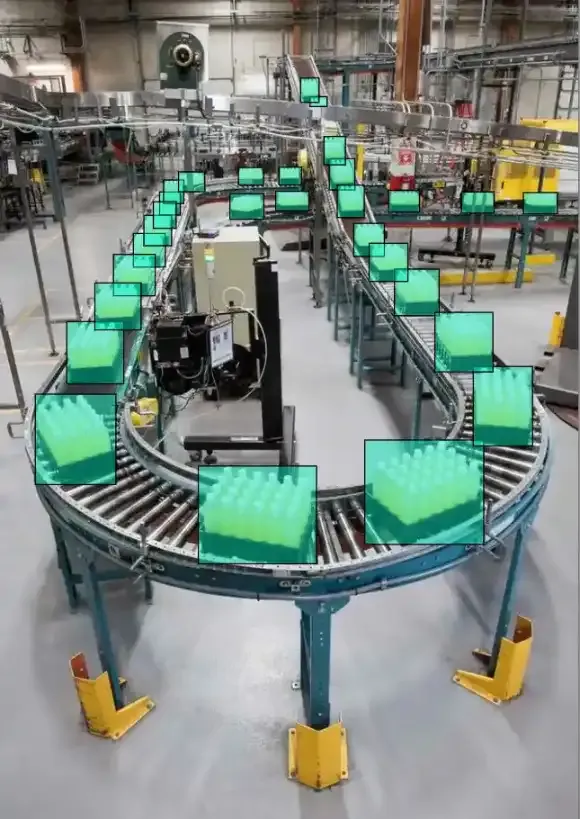
Logistics & warehousing
Parcels, pallets, labels and damaged goods in warehouses and yards.
warehouse CCTV · conveyor video · images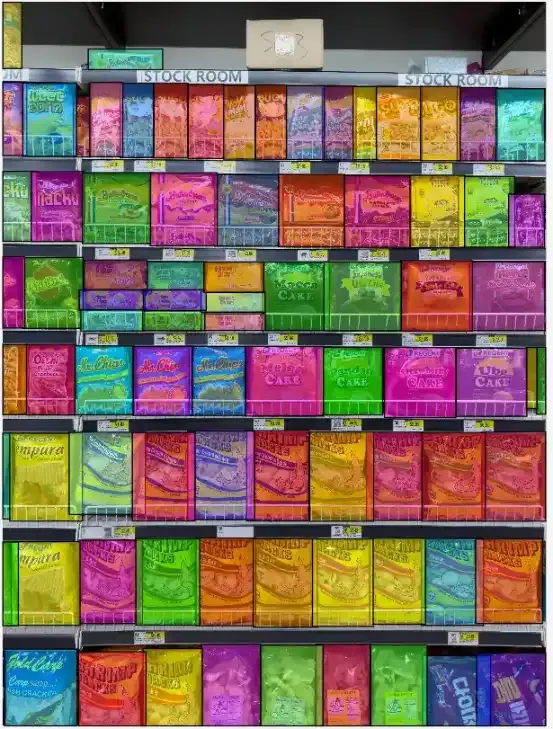
Retail & ecommerce
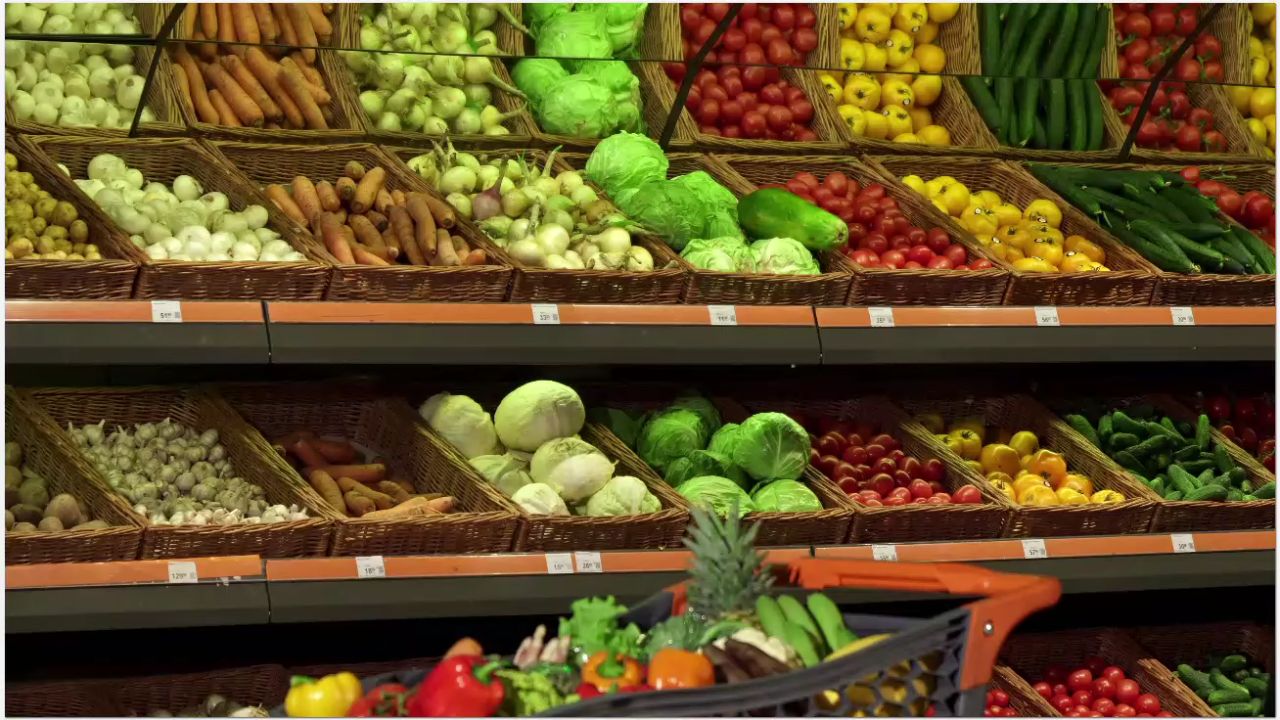
Products and shelves, from catalogue to store camera.
product images · shelf video · store CCTV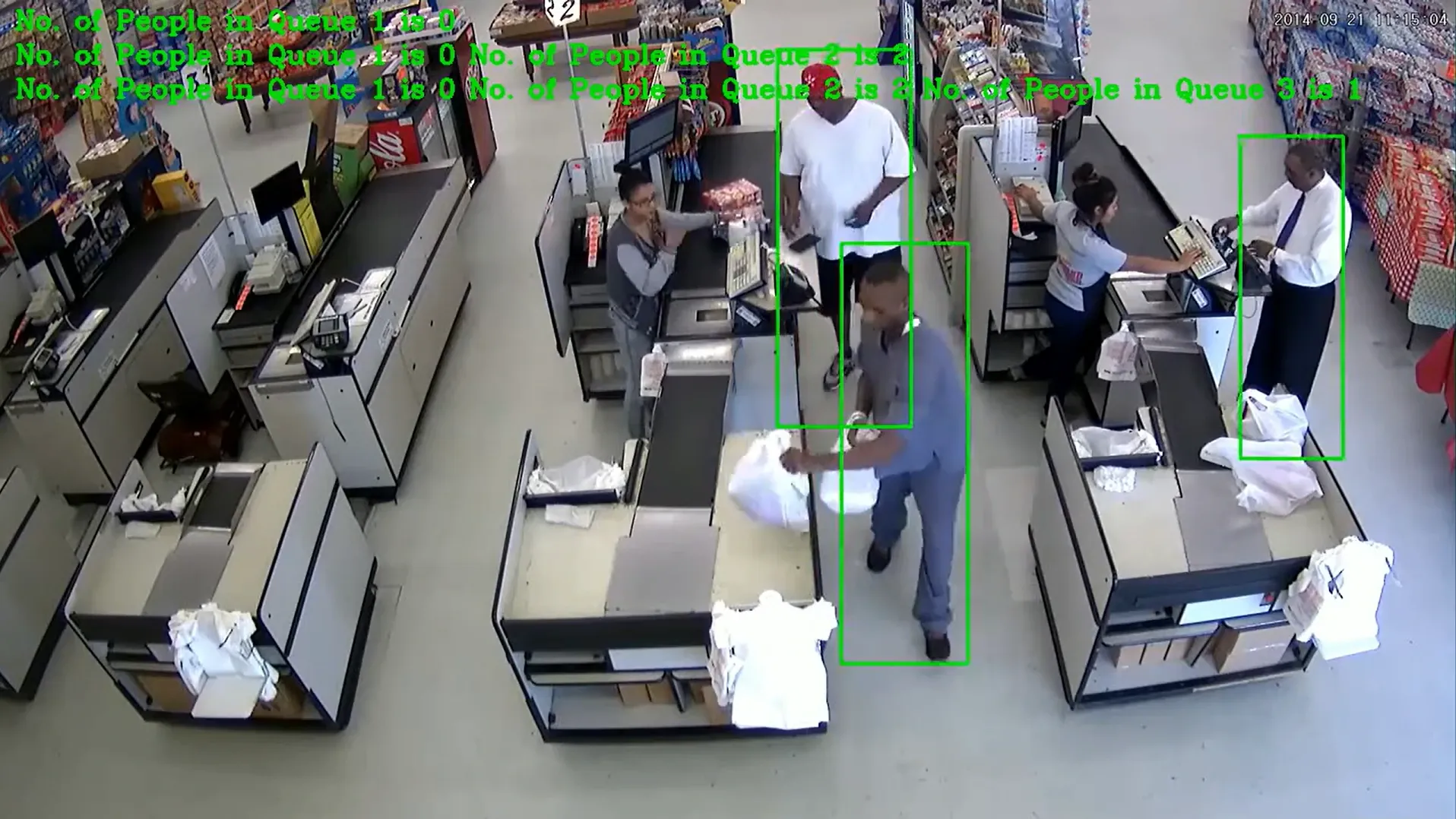
Food service & QSR
Dishes, food waste and orders from kitchen and counter cameras.
kitchen video · counter cameras · food images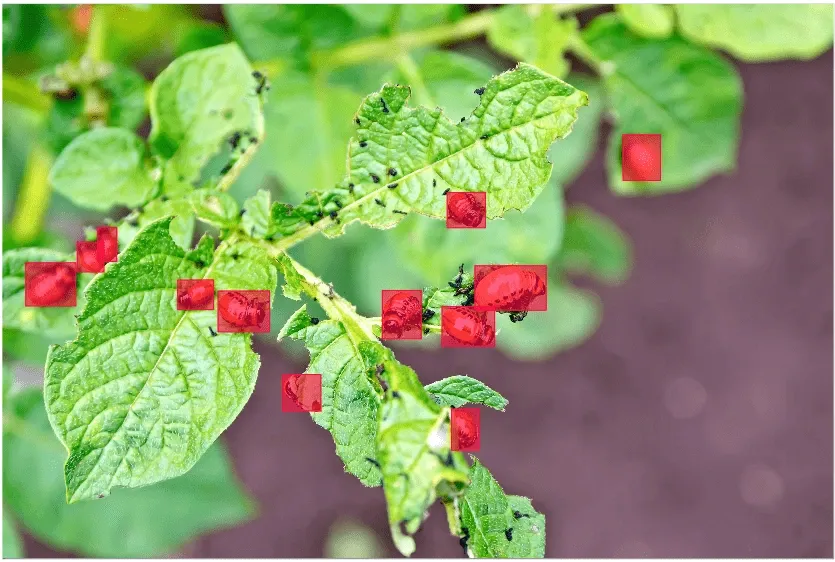
Agritech
Crops, weeds and disease on field and drone imagery.
field images · drone · multispectral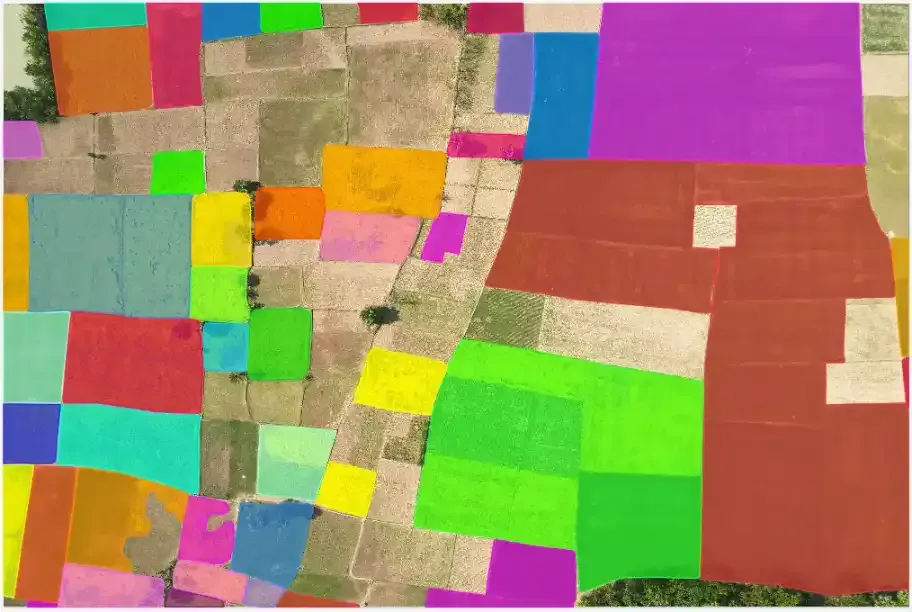
Geospatial
Roads, buildings and land use on satellite, aerial and LiDAR.
satellite · aerial · LiDAR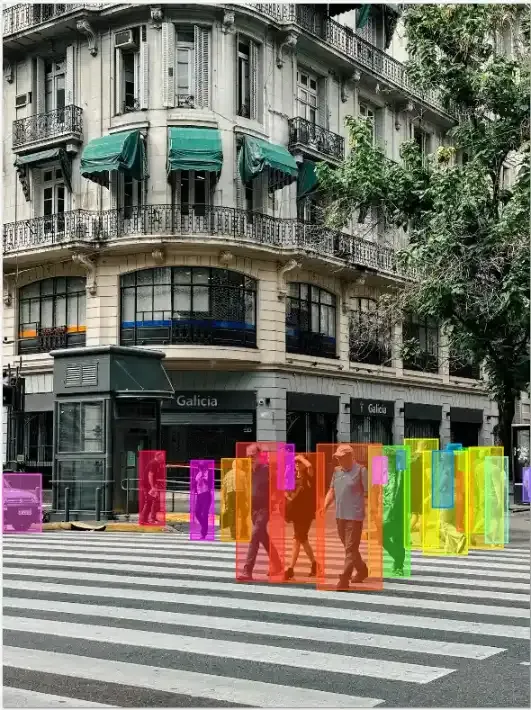
Security & surveillance
People and vehicles at the perimeter, with every alarm checked live.
CCTV · thermal · drone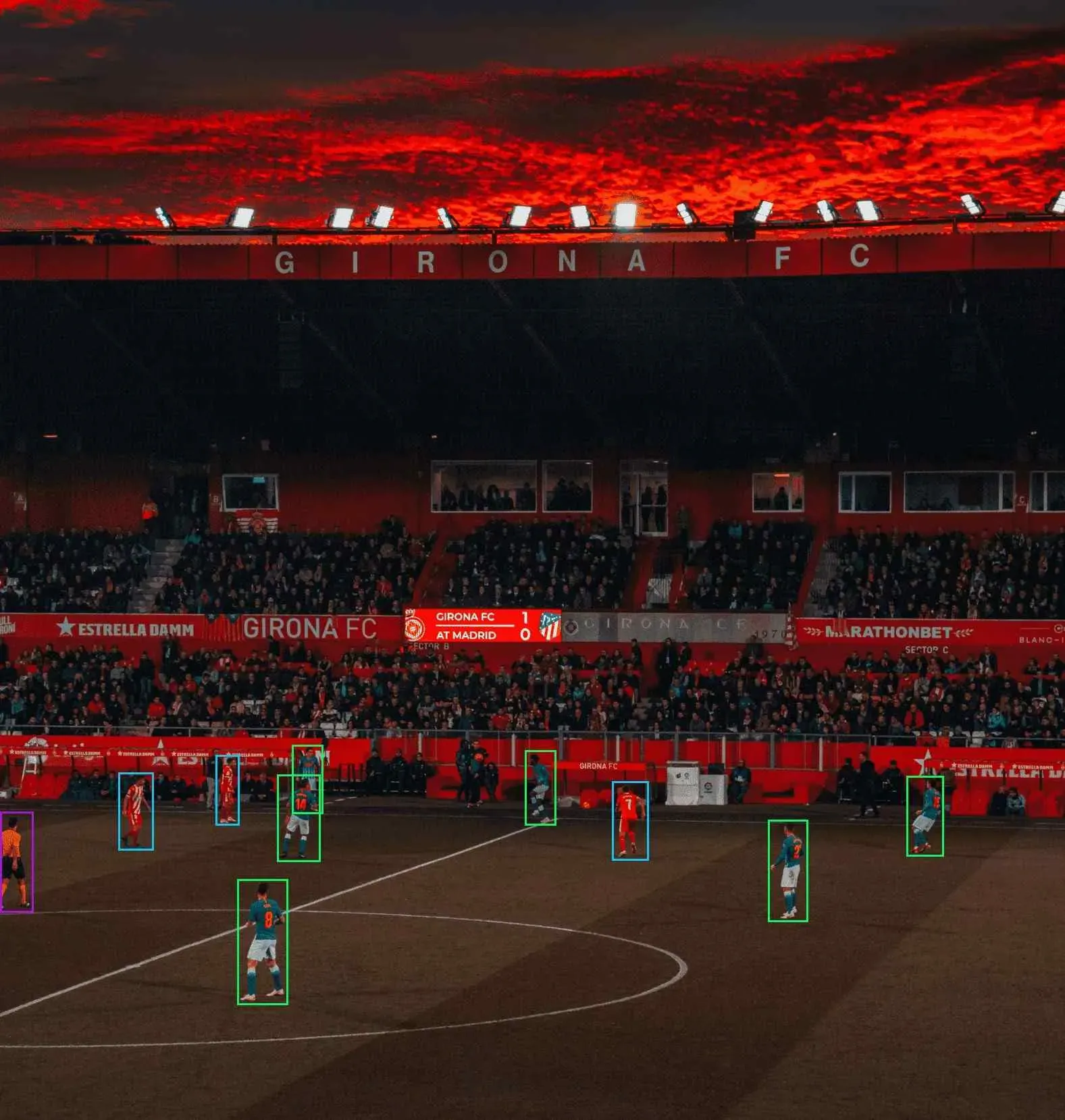
Sports & media
Players tracked and events timestamped on match video.
match video · broadcast · imagesQuestions vision teams ask
Do you annotate LiDAR and point clouds?
Yes. 3D cuboids, point segmentation and tracking across sweeps, linked to the camera frames when you have them.
Can you work in our labelling tool?
Yes. CVAT, Label Studio, Roboflow, Labelbox, Encord, V7, SuperAnnotate, Supervisely or your own tool. We can also set one up in your cloud.
What formats do you deliver?
COCO JSON, YOLO, Pascal VOC, KITTI, MOT, PCD, masks or your own schema, delivered to S3, GCS, Azure or SFTP.
How do you handle edge cases?
Every hard case goes into the class guide with an example. A senior reviewer settles disagreements, and the guide is versioned so you can see what changed and why.
Can you review our model in production?
Yes. Low confidence detections route to a reviewer who confirms or corrects them in under 2 minutes, 24/7, and every correction comes back as training data.
How is our data protected?
Every annotator works under NDA, we work inside your access controls where we can, and data can stay on EU servers.
How do we start?
Send a small batch. We label it free and send it back, usually within 24 to 48 hours, so you can judge the work before you commit.
Send us the frames your model gets wrong
Send a small batch and get it back done, free, usually within 24 to 48 hours. You judge the work before you pay for anything.